
Cheating on Claude, with Codex

I want to be more ambitious in building AI agents, and it looks like Codex may be the best tool for that purpose. Claude’s Cowork, Skills, and Code have been good to me, very useful. I’m not abandoning them but early testing with Codex is very promising.

Why Codex is looking good
Plugins
It has a built-in plugins for Readwise Reader, an excellent read it later type app. Claude does not have a plug-in/connector for this. The reader plug-in is good to see. I’ve spent a lot time looking for ways to make use of what I save to reader and never really solved that. The Codex plugin already looks like it will unlock real value from what I save to Reader. These two quick Reader searches - asking it to give me a Top 5 most interesting recent articles tagged as “ai” and a Top 10 most interesting articles from a favorite source (Exponential View) are good examples:
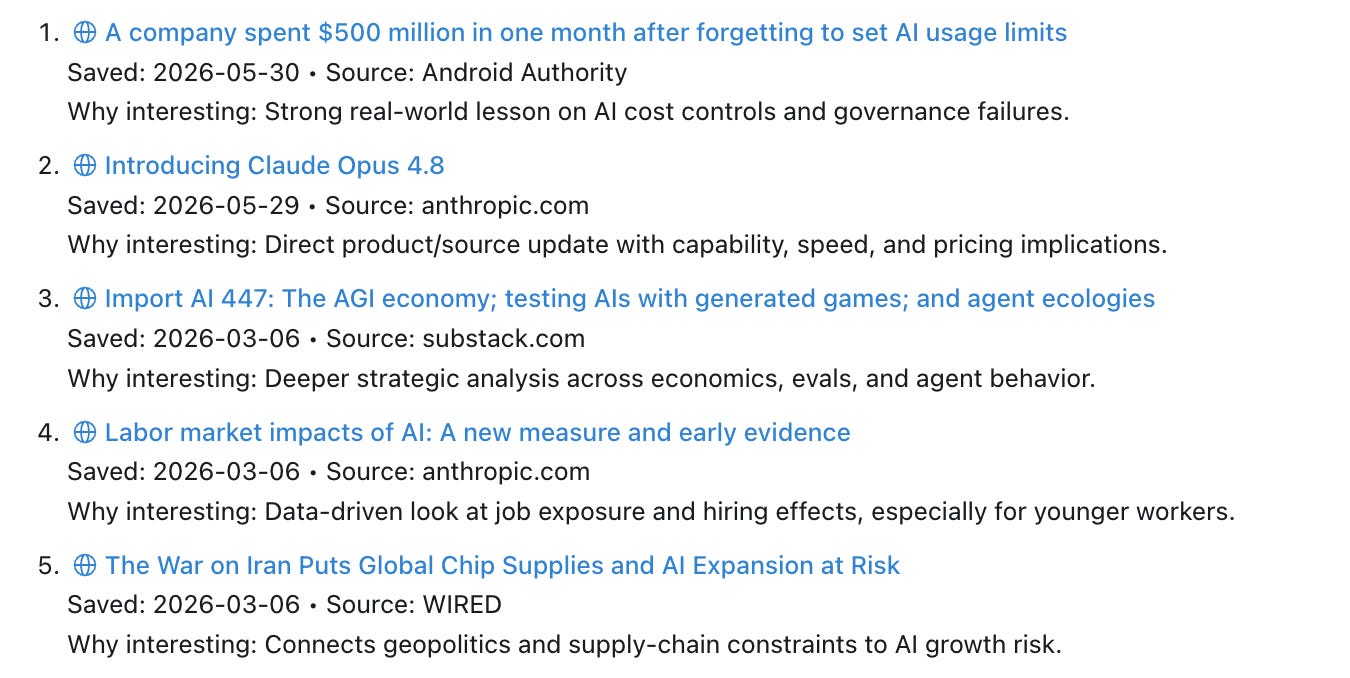
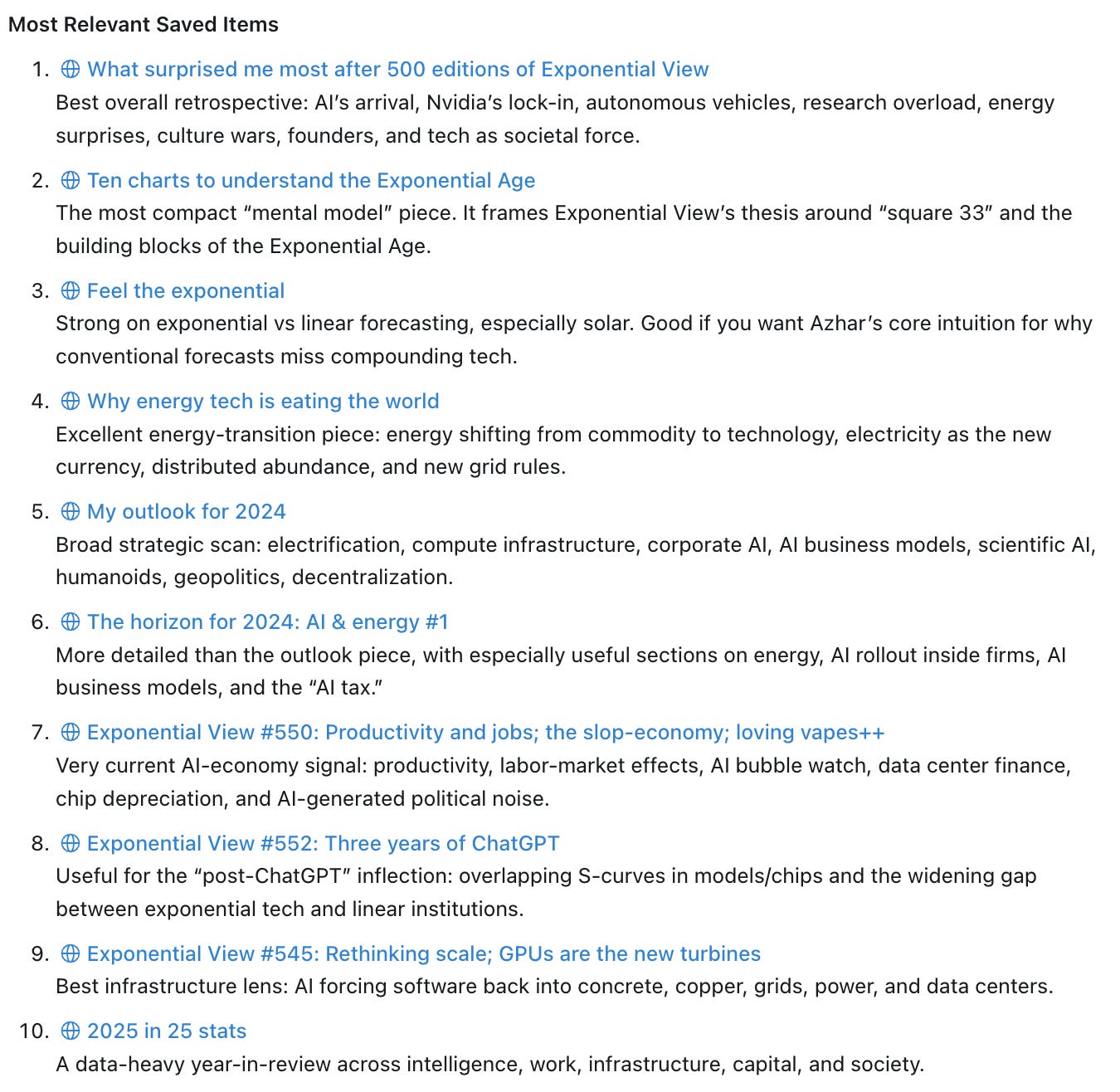
It adds in-line links to each item it finds in a search of Reader so I can jump straight to those when they’re of interest.
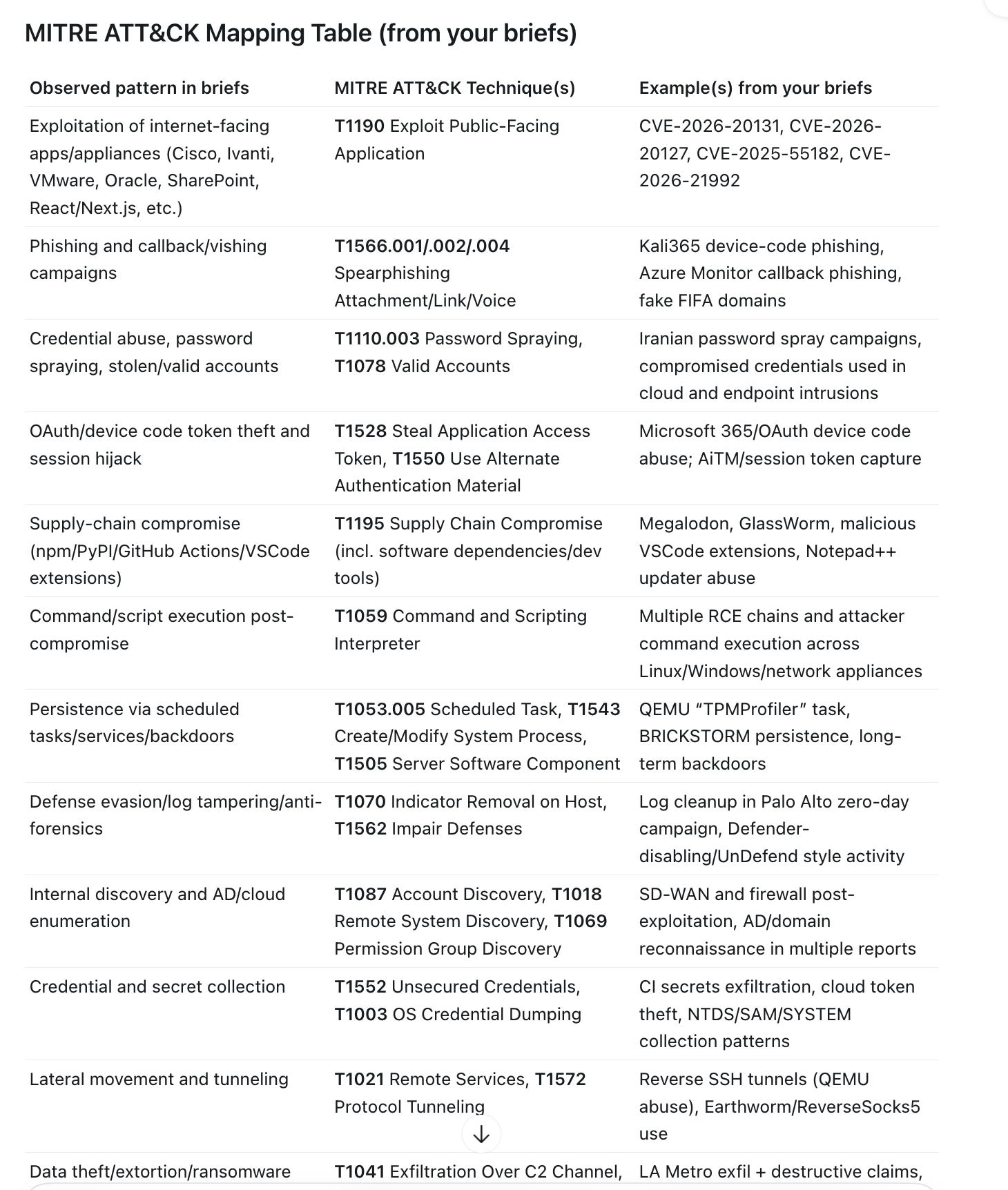
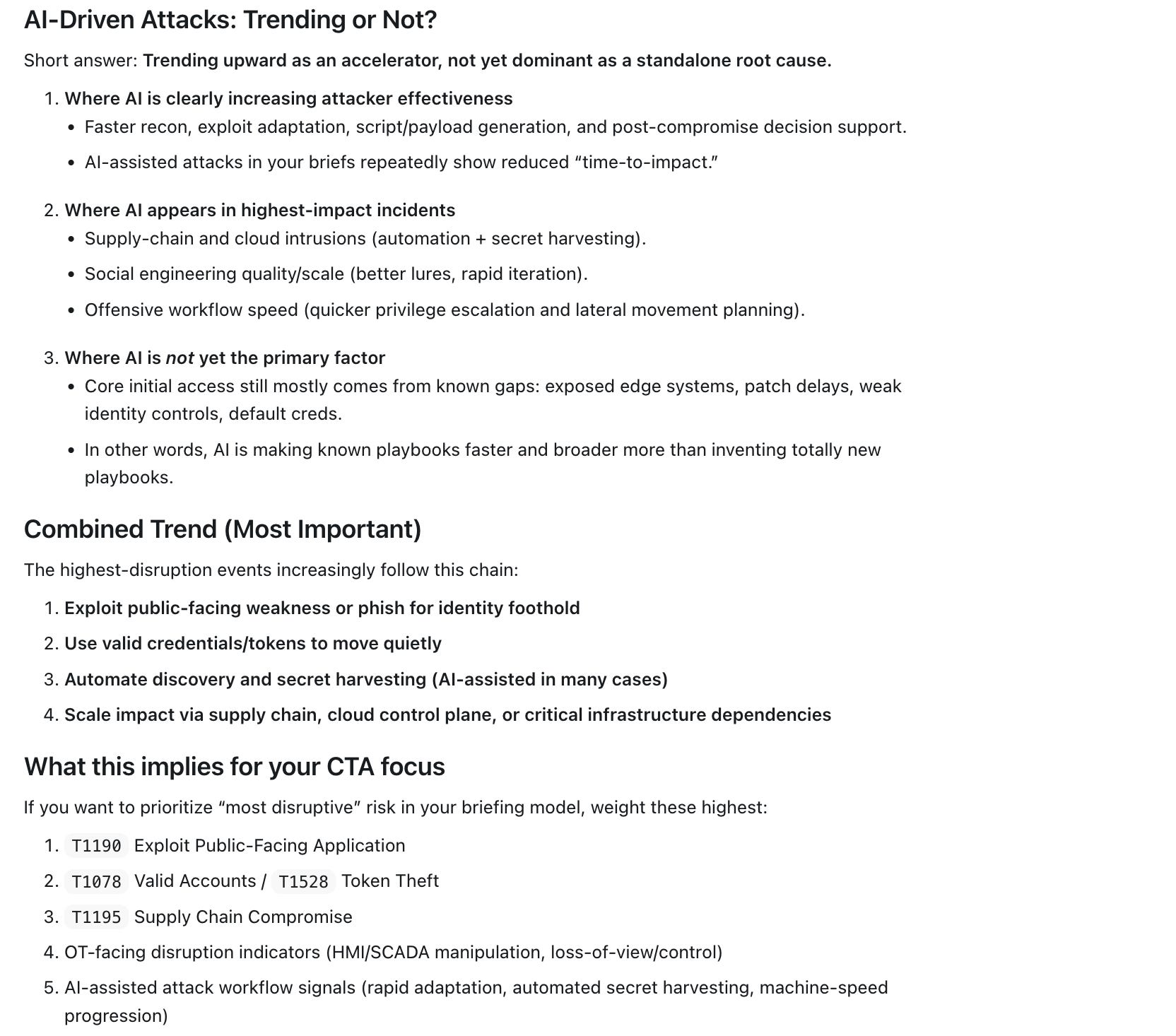
There’s a built-in for Notion too. My first test with that: I asked it to review 1.5 years worth of cyber threat alert briefing PDFs (each typically contain 5-10 individual alerts about attacks and attack methods that are trending that week), show me how those mapped to the MITRE ATT&CK TTPs. It took two minutes and eight seconds to produce a good looking table with the observed patterns, the attached MITRE ATT&CK techniques, examples from the briefs, with good headings for the categories of attack and techniques, an outline view, and an offer to do more. The original mapping table was good but then I asked it to go a little deeper. I asked it to look at emerging trends on what are the most successful attack tactics and techniques in terms of causing the most disruption, blast radius of damage throughout multiple organizations and more critical organizations, and in tandem with that look at how AI-driven attacks are trending or not trending within those most disruptive and impactful attacks. The response to that was even better. Here’s a look at the original mapping table and a slice from the deeper dive:
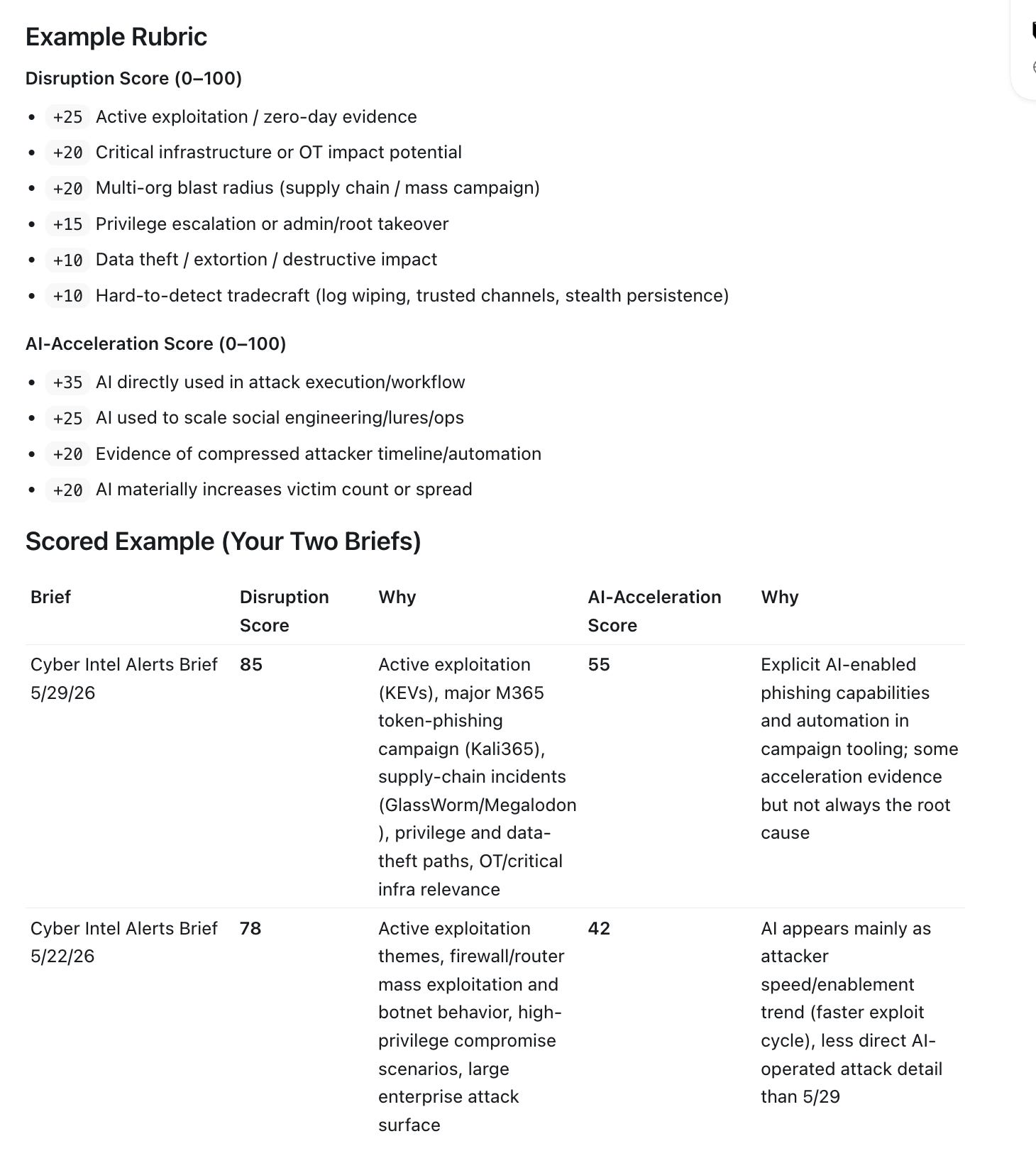
Codex still had more to offer and suggest - it asked if I’d like it to create a scoring rubric for the CTA briefs: a disruption score plus an AI acceleration score. I said yes and it took just a few seconds to generate that for the two most recent weeks’ cyber threat alert brief documents. I asked it to go one level deeper and break that out by the individual items within each of those alert briefs and it took just a few seconds to get a really lovely breakdown all the way to that level.
Still on the plug-ins side, there is not a built-in plug-in for Heptabase, my co-favorite notes app alongside Obsidian and my favorite for research work. But it was straightforward to create one using the Heptabase MCP and enabling the Heptabase CLI. Now I can use Codex to ask questions about my existing card library in Heptabase, do some limited editing of those notes, query my Heptabase card library by tags, and more.
Speed - on desktop and phone
As noted above, Codex is returning responses in just a few minutes, or sometimes less than a minute. It feels incredibly fast on the desktop and very fast on my Android phone as well.
This is not a 100 percent apples to apples comparison with Claude yet - but in early testing the speed difference is significant. Also notable is that Codex seems to have far fewer issues where it complains about a tooling issue or something else that slows it down or looks like it may break its process than I have seen recently, when using Claude.
So far I’m not doing anything really agentic with Codex, but I have already got to a place where the results are so good on my initial tests that I will be doing that very soon.
Are any of you using both Codex and Claude or another tool for workflows or anything more agentic? Any similar uses to the ones I’ve described above? If so, please share your results and thoughts in the comments.